Many kitchen and bath remodeling contractors struggle to get noticed online, even after doing good work. If your business does not show up in local search results, you miss out on leads who need your services.
Search engines like Google rank listings based on many factors that are always changing.
One key fact stands out: 46% of all searches show local intent according to Google data. This means almost half of online users want services near them.
This blog post will walk you through the 2025 Essential Local SEO Audit Checklist using tools such as Google Business Profile, Moz Local, Ahrefs, and SEMrush. You will learn step-by-step how to boost rankings with targeted keyword research, fix technical issues in search engine optimization (SEO), improve reviews and ratings, and build strong citations for better visibility.
Take charge of your digital marketing game this year with expert tips inside—keep reading to see how you can win more projects online!
Key Takeaways
- Nearly 46% of all Google searches have local intent, making strong local SEO key for kitchen and bath remodeling contractors to reach new customers in 2025.
- A complete local SEO audit reviews your Google Business Profile, checks citations in online directories, analyzes keyword rankings with tools like SEMrush and Ahrefs, and fixes technical issues shown in Google Search Console.
- Positive reviews on platforms like Google and Yelp improve trust, boost search visibility, and attract quality project leads; avoid fake reviews as they may lead to profile penalties or lower rankings.
- Building landing pages for each service area using location-based keywords such as “kitchen remodeling near Boston” helps your business rank higher for targeted searches; always keep name, address, and phone number consistent across the web.
- Social media accounts (Facebook, Instagram) should match your branding. Monitor engagement with tools like Google Analytics. Regular posting increases brand awareness and can drive more website visits from interested local homeowners.
Why Should You Conduct a Local SEO Audit?
A local SEO audit boosts your online visibility in target markets. It reveals opportunities to attract quality leads and strengthen your business presence.
How does a local SEO audit increase online visibility in target markets?
Conducting a local SEO audit helps contractors in the kitchen and bath remodeling industry target specific service areas more effectively. The process reviews how your business appears on Google Business Profile, business directories, and Google Maps.
An audit identifies missing or inaccurate citations, outdated meta descriptions, broken links, and page issues flagged in Google Search Console. Fixing these gaps boosts your site’s chances of surfacing on search engine results pages for valuable local searches.
Regular audits align your website with trends in local keyword research and user intent. Tracking your online visibility with tools like Google Analytics shows which pages attract organic traffic from nearby customers.
Improving title tags, meta descriptions, and schema markup raises click-through rates within your market area. A focused checklist increases brand exposure by making sure all technical SEO details support your service targets.
This step often leads to more website visits and high-quality project inquiries from homeowners searching for remodelers near them.
What opportunities can a local SEO audit reveal to attract quality leads?
A local SEO audit shows where to target new keywords unique to your service area, like “kitchen remodeling near me” or “bathroom renovation Ann Arbor.” The process uncovers high-value terms your competitors use, helping guide your keyword research and content optimization.
An audit highlights untapped locations you can reach by building new landing pages or updating business listings in directories like Google Business Profile, Apple Business Connect, and Yelp.
Reviewing your Google search console data can reveal search intent patterns and areas with weak rankings. Spotting gaps in your current citations or backlinks often leads to better placement on Google Maps.
An audit may find missed optimization steps, such as outdated business categories, missing structured data, or incomplete meta descriptions. Improving these elements helps draw qualified leads who are already searching for kitchen and bath remodeling services nearby.
“A thorough local SEO audit often uncovers new areas to rank, from overlooked suburbs to keyword-rich service pages.”
How can a local SEO audit identify weaknesses and opportunities?
A local SEO audit checks key areas like business directories, Google Business Profile details, and on-page elements such as meta descriptions and title tags. These audits often find inaccurate citations or missing information that can prevent your kitchen and bath remodeling company from ranking well on Google Maps or search engine results pages.
An audit using tools like Google Search Console uncovers technical issues too, such as slow site speed or a design that is not mobile-first.
Reviewing content optimization highlights underperforming landing pages and weak keyword targeting for your service area. Examining the backlink profile exposes harmful links or missed chances to build authority through local backlinks.
Call tracking, internal linking checks, and citation audits reveal gaps in user experience and credibility across platforms. Regular reviews using platforms like Looker Studio help you adapt fast to changing algorithms, keeping your business competitive in 2025’s digital marketplace.
Why is website optimization important for local SEO?
Website optimization plays a key role in local SEO. It ensures your site is user-friendly and performs well on different devices. Google emphasizes mobile-first indexing, so an optimized website helps you reach more potential customers who search on their phones.
Fast-loading websites rank higher in search results. Utilize tools like Google PageSpeed Insights to improve your site's speed.
Technical audits are crucial too. They check for broken links and ensure internal links work properly, which enhances the user experience and reduces bounce rates. Using schema markup communicates important business information to search engines, boosting your local rankings; it makes it easier for crawlers to index your site accurately as well.
An optimized website can increase conversions by making navigation simple and intuitive for visitors looking for kitchen and bath remodeling services.
How does optimizing your Google Business Profile improve local rankings?
Optimizing your Google Business Profile (GBP) enhances local rankings by ensuring accurate and complete information. A consistent Name, Address, Phone number (NAP) across online platforms boosts prominence in local search results.
Regularly updating your GBP with photos, posts, and business hours keeps your listing engaging and fresh. This active management encourages customer interaction and increases visibility on Google Maps.
Including relevant keywords in your business description improves local search relevance. Data from GBP Insights provides valuable feedback about customer interactions, helping you refine marketing strategies effectively.
High-quality reviews contribute significantly to better local search performance as they build trust among potential clients searching for remodeling services in their area.
Key Areas to Cover in a Local SEO Audit
Key areas in a local SEO audit include checking for Google penalties that may hinder your site. Assessing your link profile and auditing local citations also plays a crucial role in boosting accuracy and authority.
Check for Google penalties using the Google Search Console. Look under the Manual Actions Report to see if any penalties apply to your site. Penalties can stem from thin content or unnatural links, greatly impacting your rankings.
If you notice a sudden drop in traffic or rankings, that may also signal a penalty.
Regularly monitor this report to catch issues early. You must address any problems before submitting a reconsideration request to Google. Fixing content quality and backlink profile issues is essential for recovery.
Keep in mind, about 5% of sites file requests after being penalized; don't let yours be one of them.
What are the best methods for local keyword research?
Local keyword research helps identify search terms specific to your geographic area. Using the right methods can enhance your online visibility and attract quality leads.
- Use Google’s Keyword Planner. This tool provides insights into local search volume and competition for keywords like “kitchen remodeling in Los Angeles.” It offers suggestions that you may not have considered.
- Analyze Local Competitors. Check what keywords similar businesses rank for in your area. Tools like SEMrush or Ahrefs can give you a good overview of competitor citations and strategies.
- Leverage Google Search Console. This tool shows which keywords currently drive traffic to your site, helping you refine your targeted keyword list.
- Explore Long-Tail Keywords. Focus on phrases that are more specific, like “affordable bathroom renovation in San Diego.” These often have lower competition and higher conversion rates.
- Monitor Search Intent. Understand what potential clients want when they type local queries. Use tools to analyze user-generated content to uncover common questions related to kitchen and bath remodeling.
- Utilize Online Review Platforms. Look at keywords used in reviews about similar services on sites like Yelp or Angie's List. This information can guide your keyword selection by reflecting customer interests.
- Implement Localized Content Strategies. Integrate location-specific keywords naturally into web articles, meta descriptions, title tags, and schema markup for better SEO outcomes.
- Research Local Trends with Google Trends. This free tool allows you to see what people are searching for in real-time within specific locations; adjust your strategy accordingly based on trends over time.
- Build a Strong Internal Linking Structure using relevant anchor text to connect local pages on your site; this enhances user experience and boosts SEO effectiveness.
- Assess Keyword Difficulty with SEO Tools such as Moz or Ubersuggest for prioritizing which terms offer the best chance of ranking high based on current competition levels.
- Create Service-Specific Landing Pages targeting each service area individually; ensure these pages contain relevant local keywords relevant to kitchen and bath remodeling services like “custom backsplash installation” or "kitchen cabinet refinishing."
These methods fuel effective local keyword research, aiding contractors in boosting their online presence while attracting valuable leads within their markets.
How can you assess your local SEO rankings effectively?
Use tools like Google Search Console and Moz Local to track your rankings for key local terms. Assess performance by focusing on high-intent phrases, such as “kitchen remodeling near me” or “bathroom renovation [your city].” These phrases drive traffic and lead conversions.
Monitor changes regularly to understand how well your ongoing optimization efforts work.
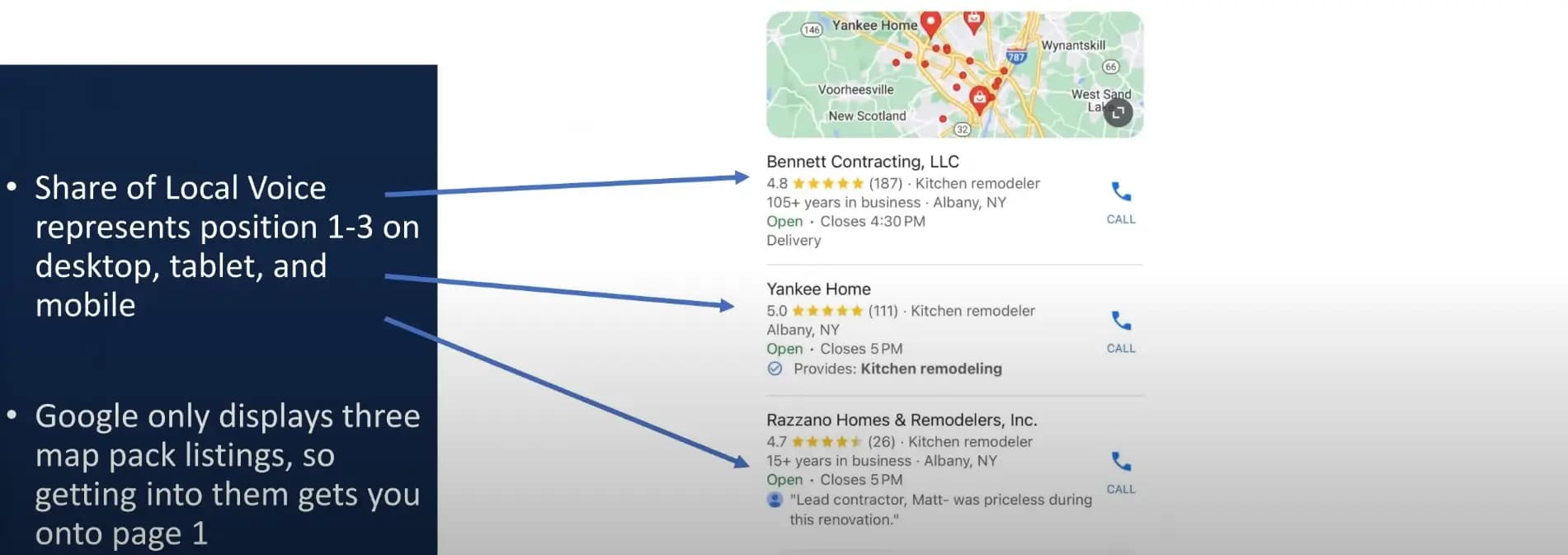
Check the relevance, distance, and prominence of your rankings in search results pages (SERPs). Analyze both organic outcomes and local pack results for a complete view. Keep an eye on your business profile, ensuring complete NAP information is accurate.
Regular updates help maintain strong local standings over time.
Why is auditing your link profile and website authority important?
Auditing your link profile and website authority strengthens your local SEO strategy. Evaluating the quality and quantity of backlinks helps you understand what drives traffic to your kitchen and bath remodeling site.
Tools like Semrush make it easy to conduct these audits; they reveal strong links that help enhance visibility and weak ones that could hurt rankings.
Harmful backlinks can lead to significant setbacks in search engine results pages (SERPs). Identifying these unhealthy links is crucial for maintaining a solid online presence. Improving website authority, a key factor in local search performance, builds trust with both users and search engines alike.
A proactive approach allows contractors to acquire new, high-quality backlinks while removing or disavowing bad ones; this process ultimately boosts overall site rankings.
How do you perform a citation audit for local SEO accuracy?
A citation audit helps ensure your business information appears correctly across various online directories. Correct citations build trust with both Google and potential customers.
- Start with a comprehensive list of all your citations. This includes platforms like Google, Yelp, and Yellow Pages.
- Check each listing for accuracy. Ensure that your business name, address, and phone number match exactly across all platforms.
- Look for inconsistencies in your NAP (name, address, phone number). Inconsistencies can harm your local SEO performance.
- Regularly update listings to reflect any changes in your details. Prompt updates prevent confusion among customers.
- Use tools like Google Search Console or specialized citation management software to track your citations effectively.
- Audit both new and existing citations for errors regularly. Frequent checks help maintain a positive online reputation.
- Remove or edit any duplicate entries that may exist on different sites. Duplicate listings can confuse potential clients and impact rankings negatively.
- Monitor customer reviews linked to these citations closely; they influence local search visibility.
- Assess competitor citations to identify gaps in your own strategy. Knowing what works for competitors can give you an edge.
- Document findings from the audit and create a plan for addressing discrepancies efficiently.
Implementing these steps will enhance your local SEO efforts significantly, allowing you to attract more quality leads in the kitchen and bath remodeling industry effectively.
What should you review in your Google Business Profile?
A thorough review of your Google Business Profile (GBP) enhances your online presence. It helps potential clients find accurate information about your kitchen and bath remodeling services.
- Check the accuracy of your business name, address, phone number, and business hours. Verify that all details match what appears on your website and other business directories.
- Monitor unauthorized changes to your profile information. Set up alerts to notify you of any modifications made without your consent.
- Utilize Google Business Profile Insights to analyze customer interactions. Track how many people view or engage with your posts and listings.
- Add high-quality images regularly to enhance profile engagement. Showcase completed projects to highlight your work's quality and attract potential leads.
- Ensure all services and specialties are accurately listed on the profile. Include details about kitchen and bath remodels, along with any specialty options you offer.
- Implement a schedule for GBP posts, updates, and Q&A management. Consistency keeps your audience informed and engaged with fresh content.
- Establish review management strategies for responding to feedback promptly. Address both positive reviews and concerns quickly to build trust with customers.
- Review management should also include monitoring for broken links in any associated content or images within the profile. Fixing these links improves user experience and ensures seamless navigation.
- Regularly conduct audits of citation consistency on various platforms like Google Maps or Yelp. Inconsistent information can harm local SEO rankings.
Following this checklist helps maintain an effective Google Business Profile that meets client expectations while boosting local visibility for contractors in the remodeling industry.
How Do Reviews and Ratings Impact Local SEO Success?
Online reviews play a crucial role in shaping your local SEO success. Positive ratings boost your online reputation, making potential customers more likely to choose your services.
Positive reviews significantly boost your credibility and trust with potential clients. High ratings demonstrate the perceived quality of your remodeling services. Clients often rely on feedback during their decision-making process.
Businesses with numerous positive reviews tend to rank higher in local searches, increasing visibility within target markets.
Detailed, keyword-rich reviews also enhance local search visibility. A strong review profile sets you apart from competitors. You gain increased website visits and inquiries as more customers discover your business through positive testimonials.
Consistent favorable feedback reinforces a solid online reputation over time, establishing lasting relationships with clients in the kitchen and bath remodeling industry.
How should you monitor and respond to customer reviews?
Monitoring and responding to customer reviews is essential for contractors in the kitchen and bath remodeling industry. It helps build trust and improve your online reputation.
- Set up alerts for new reviews using monitoring tools. These tools notify you instantly when clients leave feedback, allowing you to stay updated without constant checking.
- Regularly check your Google Business Profile for new reviews. This profile showcases your services, so staying informed about client opinions can enhance local SEO.
- Respond to all reviews, positive or negative, promptly. Timely responses show professionalism and commitment to customer service.
- Use a friendly and professional tone in your replies. A courteous response encourages potential clients to consider your business seriously.
- Address specific concerns raised in negative reviews directly. Doing so demonstrates that you value feedback and are dedicated to improving customer experiences.
- Encourage satisfied customers to leave positive reviews. Authentic local reviews boost your online reputation and increase organic traffic through improved local SEO.
- Monitor customer sentiment over time as trends emerge from review patterns. Understanding how clients feel about your work can help inform future marketing strategies.
- Keep track of all responses for consistency in communication style and messaging across platforms; maintain a united front as a reliable contractor.
- Train team members on proper review response strategies; everyone should understand the importance of maintaining a positive brand image based on quality customer interactions.
This approach fosters trust with existing clients while attracting new leads in the competitive remodeling market space.
What are effective ways to increase authentic local reviews?
Generating authentic local reviews can significantly enhance your online presence. These reviews build confidence with potential clients and improve your local SEO ranking.
- Request feedback from satisfied clients immediately after project completion. This ensures that their positive experiences remain fresh in their minds, encouraging them to leave a review.
- Provide direct links to your Google Business Profile or other review platforms. Simplifying the process helps clients access the right place to share their thoughts quickly.
- Streamline the review process to make it easy and convenient for customers. Send them step-by-step instructions through email or text, guiding them on how to leave a review.
- Regularly solicit reviews as part of follow-up communications. After a job is finished, ask about their satisfaction and gently remind them of the importance of sharing feedback.
- Highlight the significance of reviews during project wrap-up conversations with clients. Explain how positive reviews can help your business grow, making it more likely they will contribute.
- Encourage detailed reviews that mention specific services or experiences you provided. This enriches the review and enhances its value in attracting similar projects.
- Use email or text reminders to prompt clients for reviews at suitable times post-service delivery. A gentle nudge often results in increased participation from happy customers.
- Avoid incentivizing reviews in ways that violate platform guidelines such as offering discounts or gifts for positive feedback; instead, foster genuine communication with customers for authentic testimonials.
- Monitor and respond actively to customer reviews, both positive and negative, on all platforms; this shows prospective clients that you care about client satisfaction and are committed to continuously improving service quality.
- Share client testimonials on your website and social media profiles; showcasing real feedback builds credibility while attracting new potential leads through genuine local citations and online marketing efforts.
What risks are associated with fabricated reviews?
Fabricated reviews can severely damage a business's reputation. Search engines may impose penalties for fake or misleading reviews, leading to lower rankings in search results. A business could face profile suspension if caught engaging in these practices.
Negative publicity from such reviews often turns potential clients away. Trust violations caused by deceptive reviews are challenging to fix and can result in long-term harm.
Review platforms use detection systems that flag suspicious activity linked to fabricated feedback. Authenticity remains critical for lasting success in local SEO efforts. Contractors must educate their staff about ethical review practices to maintain credibility and build trust with customers looking for remodeling services.
Advanced Google My Business Strategies to Boost Local SEO
To enhance your local SEO efforts, engage actively on social media. Use platforms like Facebook and Instagram to showcase your projects and connect with your audience. Optimize each profile by using relevant keywords and consistent branding across all channels for better visibility.
Utilize tools like Google Analytics to track engagement metrics and fine-tune your strategies based on real-time data.
How can social media engagement improve local SEO results?
Active social media profiles signal to search engines that your business stays engaged. Engage with potential customers on platforms like Facebook, Instagram, and Houzz to drive more website visits.
Share project photos, valuable tips, and request feedback from clients to increase inquiries. High engagement rates lead to more branded searches, giving your local SEO a boost.
Establishing authority in the remodeling sector begins by sharing helpful content consistently. Social media activity fosters community connections that can result in referrals for your services.
Monitoring interactions helps identify popular posts and refine future strategies; this proactive approach enhances your online visibility considerably.
What steps should you take to optimize your social media profiles?
Social media profiles play a crucial role in enhancing your business visibility. Follow these steps to optimize your social media presence and attract more clients.
- Ensure that your branding remains consistent across all platforms. Use the same logo, colors, and descriptions for a cohesive look.
- Update your business information, including name, address, and phone number (NAP). Keep it accurate to build trust with potential customers.
- Highlight all relevant services in your profile description. Clearly explain what you offer in kitchen and bath remodeling.
- Use high-quality images of past projects to showcase your work. Visuals grab attention and can persuade potential clients.
- List keywords related to local SEO in your bio. This helps improve your profile’s discoverability on search engines and social media platforms.
- Share valuable content regularly, such as blog posts or renovation tips. Consistent updates keep followers engaged and encourage interaction.
- Monitor comments and direct messages daily; respond promptly to build relationships with clients. Quick replies show you value their input and are eager to assist.
- Encourage satisfied customers to leave reviews on your profiles; these testimonials enhance your reputation online significantly.
- Utilize stories or highlights features on platforms like Instagram or Facebook to spotlight customer experiences or completed projects.
- Analyze engagement metrics using tools like Google Analytics or social media insights; adjust strategies based on what works best for your audience.
These steps will strengthen your online presence while attracting more leads for your remodeling business through effective local SEO practices.
Which tools help track the performance of your social media posts?
Use analytics tools native to each platform, like Facebook Insights and Instagram Analytics. These tools monitor your post performance effectively. Third-party resources such as SEMrush and BrightLocal offer extra insights into social engagement too.
Social media management platforms provide handy dashboards for tracking content reach and engagement rates. They help identify your top-performing posts and the best times to post them.
By analyzing audience demographics, you can spot engagement patterns that drive better results for your remodeling business.
How do you monitor audience engagement and refine your strategies?
Monitoring audience engagement helps contractors improve their marketing efforts. It allows businesses to better connect with potential clients in the kitchen and bath remodeling industry.
- Regularly review analytics data from tools like Google Analytics. Track audience interaction with your posts, including page views and time spent on site.
- Analyze comments, shares, and likes across social media platforms. These metrics provide insights into which content resonates most with your audience.
- Adjust posting frequency based on engagement metrics. If certain posts gain more interaction, consider increasing similar content.
- Solicit direct feedback from followers to refine strategies. Ask customers about their preferences through surveys or polls on social media.
- Test different content formats such as videos, infographics, or blogs to see what engages viewers the most. Track performance metrics related to these formats.
- Monitor follower growth and changes in audience demographics using tools like Looker Studio or CRM software. This data helps you understand who your audience is over time.
- Revise content strategies based on engagement findings and feedback collected from various sources. Incorporate popular topics into future posts to maintain relevance.
- Use insights gained to build a stronger online presence and drive organic traffic through targeted local keywords relevant to kitchen and bath remodeling services.
- Maintain consistent communication, responding promptly to customer reviews and inquiries on profiles like Google Business Profile or Apple Business Connect.
- Stay updated with industry trends by following competitors’ activities within business directories or through competitor citations for keyword research ideas that appeal to local audiences.
2025 Local SEO Checklist for Targeted Optimization
Selecting targeted keywords plays a vital role in local SEO. Develop landing pages for each specific service area you cover. Use best practices to ensure those landing pages gain visibility.
Incorporate location-based keywords for remodeling services effectively. Maintain user-friendly designs and deliver informative content throughout your site. Make sure to implement these strategies to boost your local rankings!
Why is selecting targeted keywords crucial for local SEO?
Targeted keywords like “custom bathroom design” and “kitchen renovation near me” attract high-intent local customers. These phrases focus on specific services that potential clients actively seek.
Using localized phrases boosts relevance for geographic searches, which is vital in today’s competitive market.
Effective keyword selection drives qualified traffic to your website. It helps create relevant landing pages that align with what users are searching for. Regularly updating keywords keeps your strategy in tune with changing search behaviors, ensuring you stay ahead of the competition.
Prioritizing terms based on difficulty and search volume makes your efforts more effective in improving visibility in both organic results and Google Maps listings.
How do you develop landing pages for each service area?
Create dedicated landing pages for each city or area you serve. Use local keywords, such as “kitchen remodeling in [city name],” to improve SEO. Include specific project details and customer reviews on these pages to enhance relevance.
Add clear calls-to-action like “Get a Free Quote” to encourage engagement.
Incorporate local photos and embed a map of the service area for better visibility. Provide accurate contact information on every page. Highlight your unique services customized to that location’s needs.
Lastly, ensure all landing pages are indexed and crawlable by search engines for optimal performance in organic search rankings.
What are best practices for optimizing landing pages for visibility?
Use city and state in page titles, headers, and throughout the content. This practice makes your business more relevant to local searches. Incorporate local keywords that match customer search phrases.
These help you connect with potential clients seeking remodeling services. Maintain consistent NAP (Name, Address, Phone Number) information across all landing pages for better visibility.
Focus on a user-friendly design to increase engagement and conversions. Ensure each landing page is mobile-friendly and loads quickly; this improves the overall user experience (UX).
Include informative content about specific kitchen and bath remodeling services. Embedding Google Maps displays your business location clearly, helping clients find you easily. Implement schema markup on landing pages for enhanced search results in Google rankings as well.
How can you incorporate local keywords for remodeling services?
Integrate location-specific keywords directly into your website. Use them in on-page elements like title tags, headings, and meta descriptions. These elements can significantly boost your visibility in local searches.
Add local keywords to service descriptions and image alt text. Create blog posts that answer popular local queries about kitchen and bath remodeling. Regularly update content with trending phrases from your area to stay relevant.
Structure URLs to include city or neighborhood names whenever possible for better optimization.
How do you maintain user-friendly design and informative content?
Design landing pages with easy navigation. Use clear menus and links to help users find information quickly. Keep all content accurate, relevant, and updated for local customers. Include detailed descriptions of services along with project examples.
Make contact information accessible on every page. Optimize your design for mobile devices by using responsive layouts. Label all images with alt tags so they are accessible to everyone.
Engage visitors with visuals, testimonials, and interactive elements that make the experience enjoyable.
Conclusion
A thorough local SEO audit can transform your kitchen and bath remodeling business. It uncovers weaknesses and highlights opportunities for growth. Using tools like Google Search Console and SEMrush, you can boost your online presence effectively.
Focus on targeted keywords and optimize your Google Business Profile to attract quality leads. Commit to ongoing improvements for success in 2025 and beyond.
FAQs
1. What is the first step in a local SEO audit checklist for 2025?
Start with a review of your Google Business Profile. Check business categories, business description, and business listings. Update contact information and confirm accuracy in business directories.
2. How do I check if my website meets technical SEO standards?
Use Google Search Console and SEO tools to check for broken links, redirects, and crawling issues. Review your XML sitemap, robots.txt, and structured data like schema markup. Make sure your site passes core web vitals for user experience.
3. Why are on-page SEO factors important in a local SEO audit?
On-page SEO signals help search engines understand your site. Optimize title tags, meta descriptions, and content for local keywords. Use internal linking and image compression to support content optimization and improve organic search results.
4. How can I track local SEO performance?
Set up Google Analytics and call tracking. Monitor organic traffic, online reviews, and local citations. Use Looker Studio for reports. Track local keyword rankings and competitor citations to measure progress.
5. What role do local backlinks and citations play in local SEO?
Local backlinks and local citations boost authority and visibility in Google Maps and organic search. List your business in trusted business directories and use Apple Business Connect. Build local backlinks and keep citation details consistent.
6. How do I improve my site for mobile-first indexing and user experience?
Test your site in different browsers and devices. Compress images and use a content delivery network for faster loading. Check your HTML and web server for issues. Make sure your site is mobile-friendly and supports user experience for all visitors.